



Nyheder
-
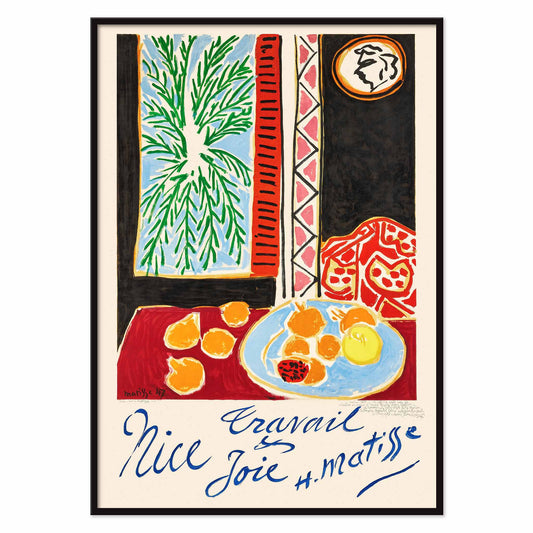
Nice Travail et Joie Plakat
Henri Matisse · 1947 · farverig plakat fra Nice med grønne palmeblade over frugt og blå, håndskrevne bogstaver
Plakat fra 69 kr · Indrammet fra 122,67 kr
Normalpris Fra 46,00 krNormalpris -
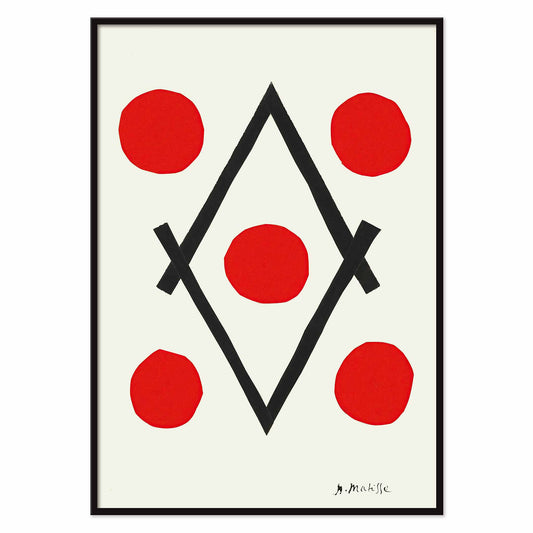
Losange Plakat
Henri Matisse · 1947 · kunsttryk af Losange med fem røde cirkler omkring en sort rombe på råhvid bund
Plakat fra 69 kr · Indrammet fra 122,67 kr
Normalpris Fra 46,00 krNormalpris -
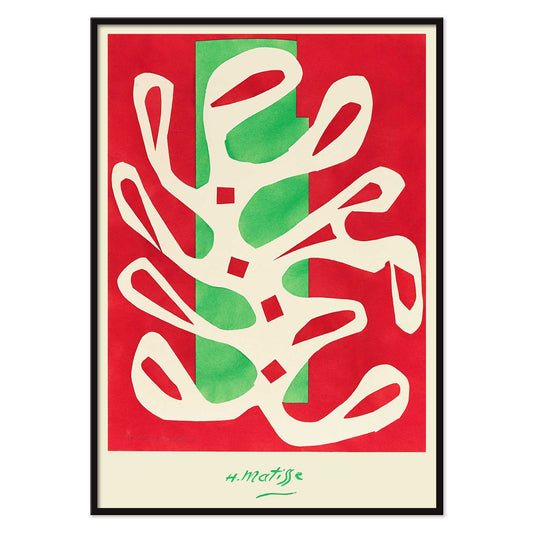
Hvid alge på rød og grøn baggrund Plakat
Henri Matisse · 1947 · abstrakt kunsttryk med lyse, forgrenede tangformer mod stærke røde og grønne flader
Plakat fra 69 kr · Indrammet fra 122,67 kr
Normalpris Fra 46,00 krNormalpris -
Cirkusset Plakat
Henri Matisse · 1947 · cirkusplakat med spredte bogstaver og en sort akrobat mod en klar blå baggrund
Plakat fra 69 kr · Indrammet fra 122,67 kr
Normalpris Fra 46,00 krNormalpris -
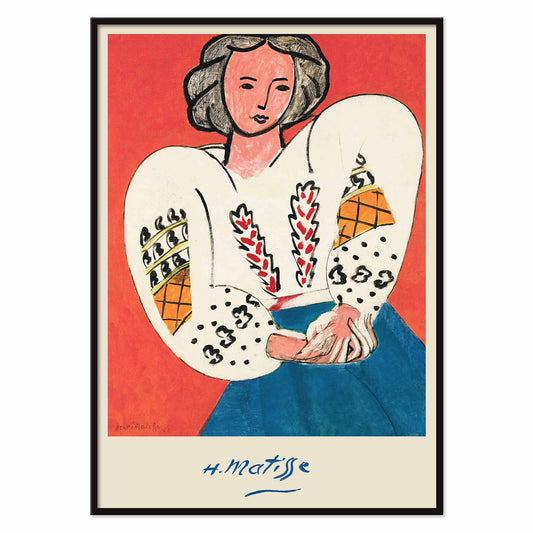
The Romanian Blouse Plakat
Henri Matisse · 1940 · ekspressivt portrættryk med en broderet hvid bluse mod en lysende rød baggrund
Plakat fra 69 kr · Indrammet fra 122,67 kr
Normalpris Fra 46,00 krNormalpris -
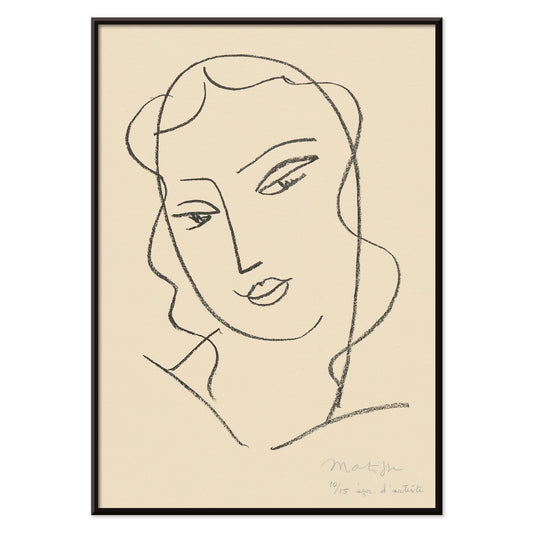
Veiled head Plakat
Henri Matisse · 1950 · raffineret kunsttryk med yndefulde sorte linjer og stille modernistisk ro
Plakat fra 69 kr · Indrammet fra 122,67 kr
Normalpris Fra 46,00 krNormalpris -
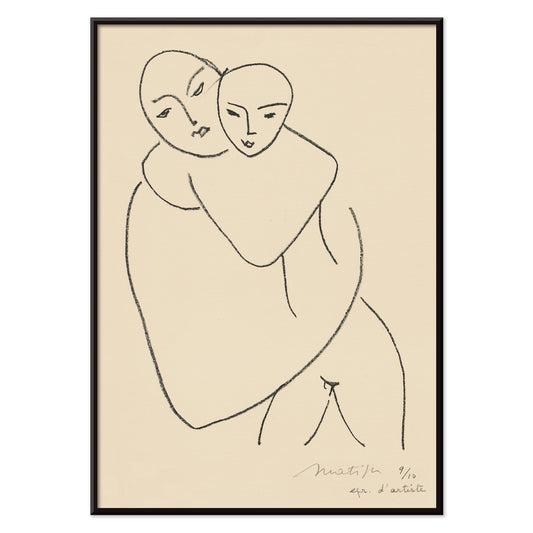
Vierge et enfant Plakat
Henri Matisse · 1950 · minimalistisk kunsttryk af mor og barn i enkel sort streg
Plakat fra 69 kr · Indrammet fra 122,67 kr
Normalpris Fra 46,00 krNormalpris -
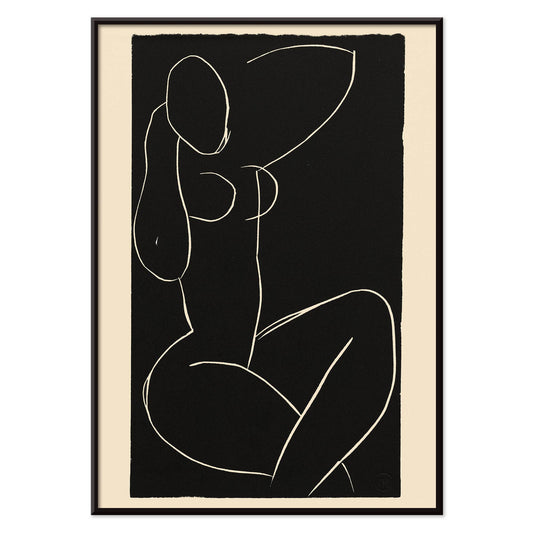
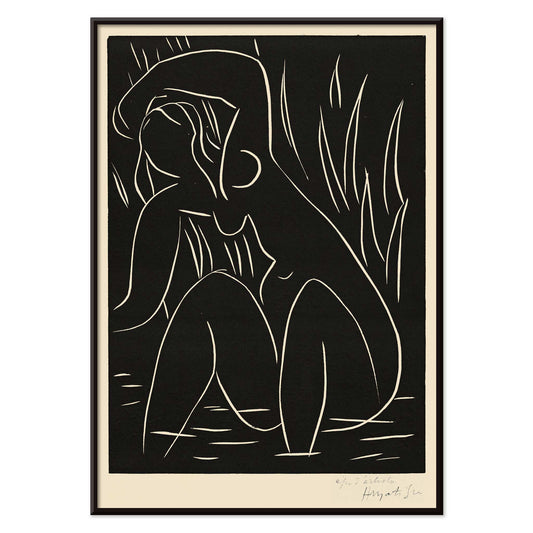
Siddende nøgen med krydsede ben I Plakat
Henri Matisse · 1941 · minimalistisk kunsttryk af en siddende nøgenfigur med krydsede ben i sort og hvid
Plakat fra 69 kr · Indrammet fra 122,67 kr
Normalpris Fra 46,00 krNormalpris -
Eftermiddagen Plakat
Henri Matisse · 1941 · minimalistisk kunsttryk med en hvilende figur på mørk bund
Plakat fra 69 kr · Indrammet fra 122,67 kr
Normalpris Fra 46,00 krNormalpris -
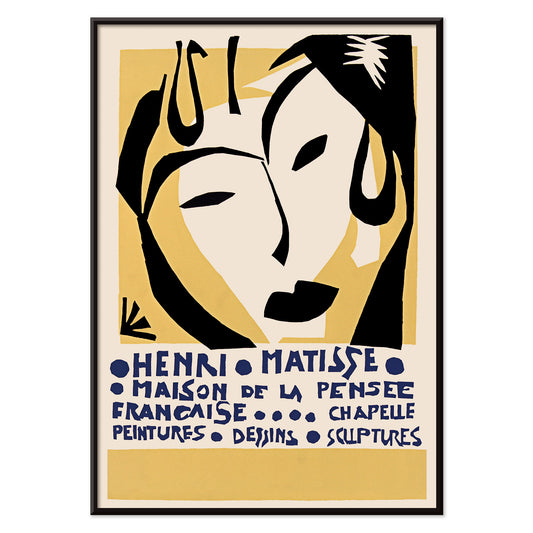
Maison de la Pensée française Plakat
Henri Matisse · 1950 · udstillingsplakat med maskelignende ansigt og blå typografi
Plakat fra 69 kr · Indrammet fra 122,67 kr
Normalpris Fra 46,00 krNormalpris










-
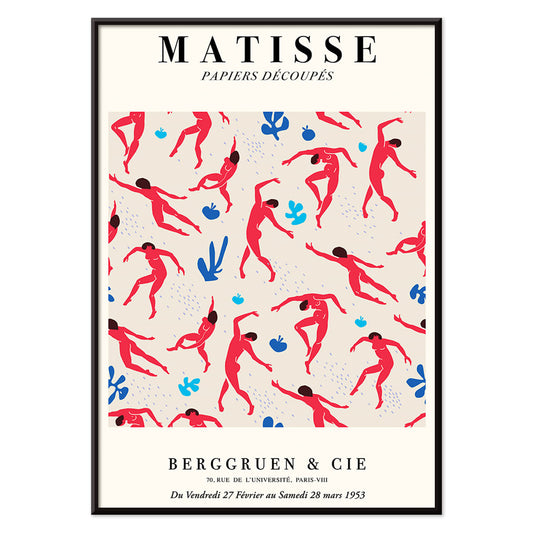
Dansende figurer Matisse Plakat
Henri Matisse · 1909 · Energisk plakat med dansende figurer og kraftige røde silhuetter mod dyb blå
Plakat fra 69 kr · Indrammet fra 122,67 kr
Normalpris Fra 46,00 krNormalpris -
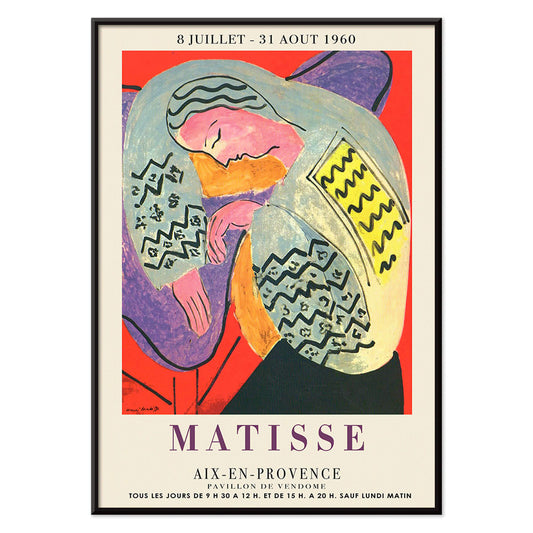
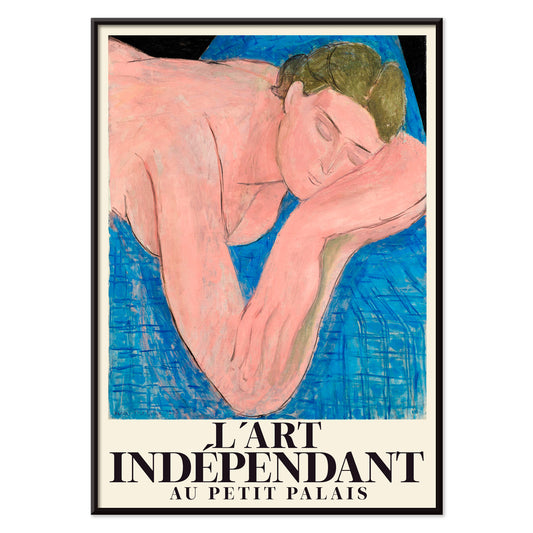
Drømmen Plakat
Henri Matisse · 1960 · Livfuld sovende figur plakat med flydende konturer og kraftige, flade farveflader
Plakat fra 69 kr · Indrammet fra 122,67 kr
Normalpris Fra 46,00 krNormalpris -
Exposition Matisse Plakat
Ukendt kunstner · 1980 · Minimalistisk udstillingsplakat med dansende figur i sort streg og rød tekst
Plakat fra 69 kr · Indrammet fra 122,67 kr
Normalpris Fra 46,00 krNormalpris -
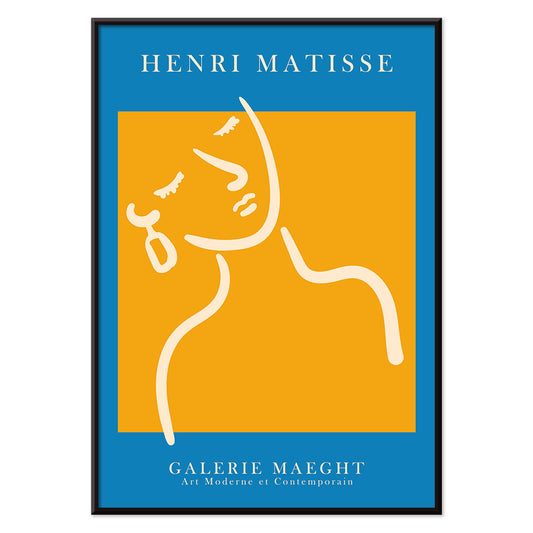
Pige med ørering Plakat
MORYARTY · 2022 · Matisse inspireret portrætplakat med blå baggrund, hvidt ansigt og gul ørering
Plakat fra 69 kr · Indrammet fra 122,67 kr
Normalpris Fra 46,00 krNormalpris -
Orange udklip Plakat
MORYARTY · 2022 · Abstrakt udklipsplakat med orange former og grønne accenter på varm beige
Plakat fra 69 kr · Indrammet fra 122,67 kr
Normalpris Fra 46,00 krNormalpris -
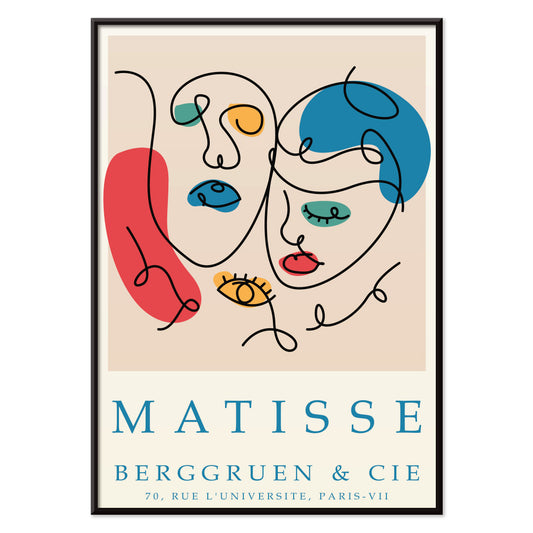
Papiers découpés 5 Plakat
MORYARTY · 2023 · farverige abstrakte ansigter plakat lavet af papirklip på en blød lys bund
Plakat fra 69 kr · Indrammet fra 122,67 kr
Normalpris Fra 46,00 krNormalpris -
Papiers découpés 4 Plakat
MORYARTY · 1952 · Glædesfuldt udklipsinspireret plakat med markante røde og blå former på beige
Plakat fra 69 kr · Indrammet fra 122,67 kr
Normalpris Fra 46,00 krNormalpris -
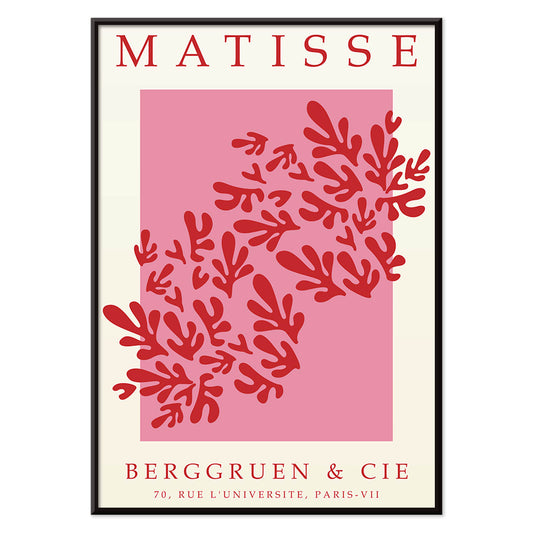
Papiers découpés 3 Plakat
MORYARTY · 1949 · Matisse-inspireret plakat med markante røde bladformer på luftig hvid og rosa
Plakat fra 69 kr · Indrammet fra 122,67 kr
Normalpris Fra 46,00 krNormalpris -
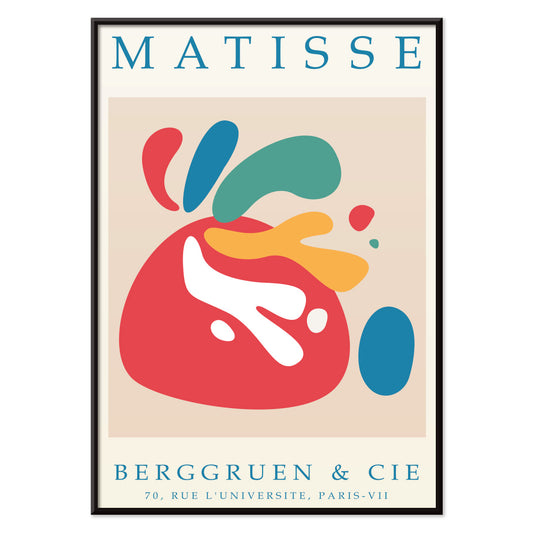
Papirudskæringer 2 Plakat
MORYARTY · 2023 · Matisseinspireret abstrakt plakat med markante papirudskæringsformer i klare primærfarver
Plakat fra 69 kr · Indrammet fra 122,67 kr
Normalpris Fra 46,00 krNormalpris -
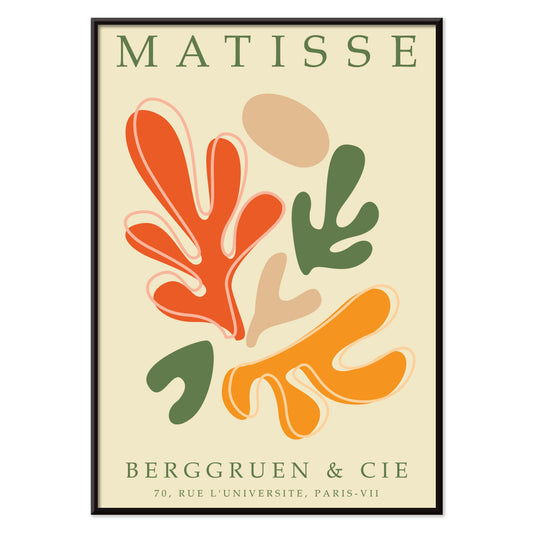
Papiers découpés 1 Plakat
MORYARTY · 2021 · Frodig udklipsabstrakt plakat med orange og grønne former på varm beige bund
Plakat fra 69 kr · Indrammet fra 122,67 kr
Normalpris Fra 46,00 krNormalpris -
Le rêve plakat
Henri Matisse · 1935 · Drømmende liggende nøgenplakat med flydende sorte linjer og bløde rosa og blå flader
Plakat fra 69 kr · Indrammet fra 122,67 kr
Normalpris Fra 46,00 krNormalpris -
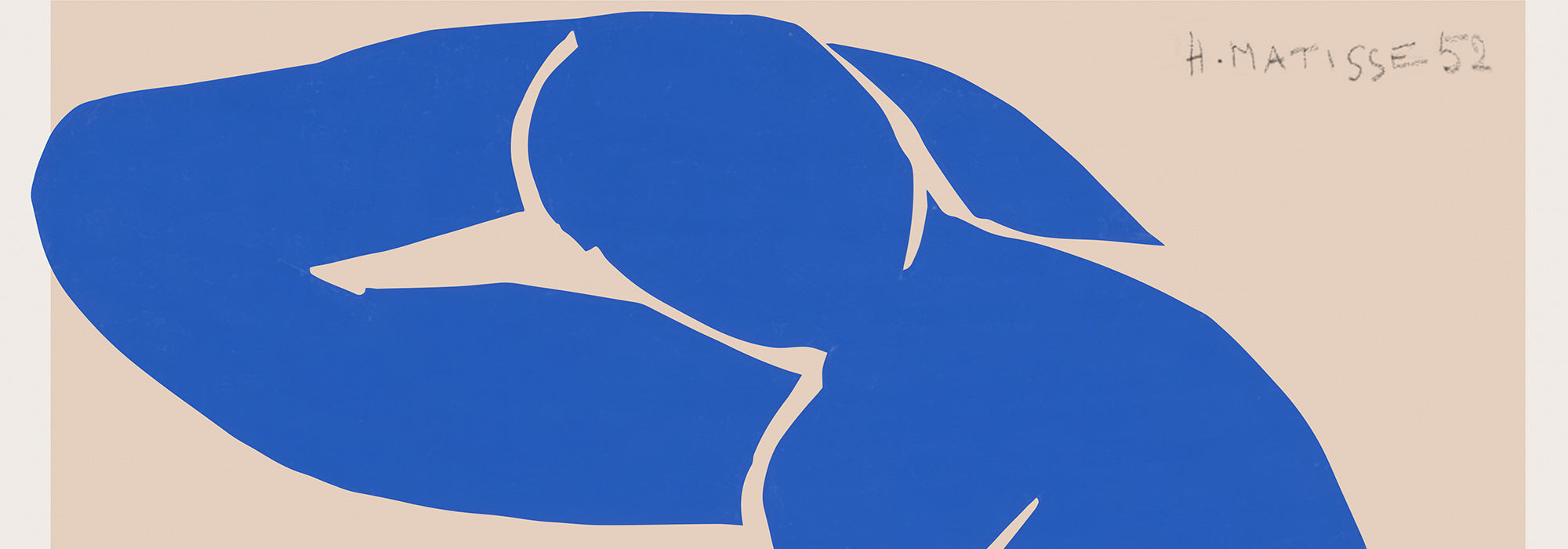
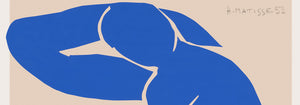
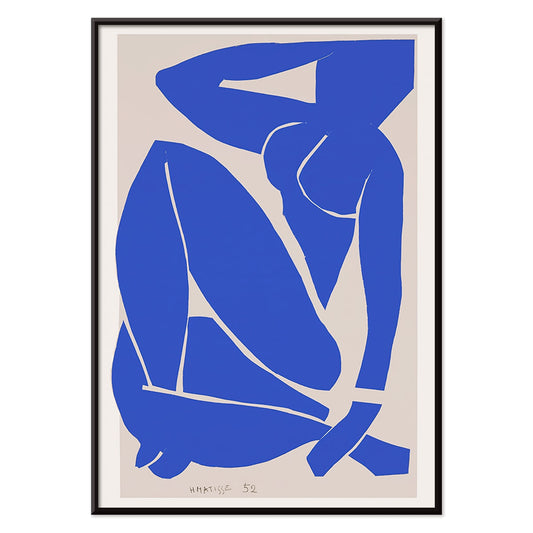
Nu Bleu III Plakat
Henri Matisse · 1952 · Ikonisk blå nøgensilhuet kunsttryk med flydende udklipssilhuet på varm beige
Plakat fra 69 kr · Indrammet fra 122,67 kr
Normalpris Fra 46,00 krNormalpris -
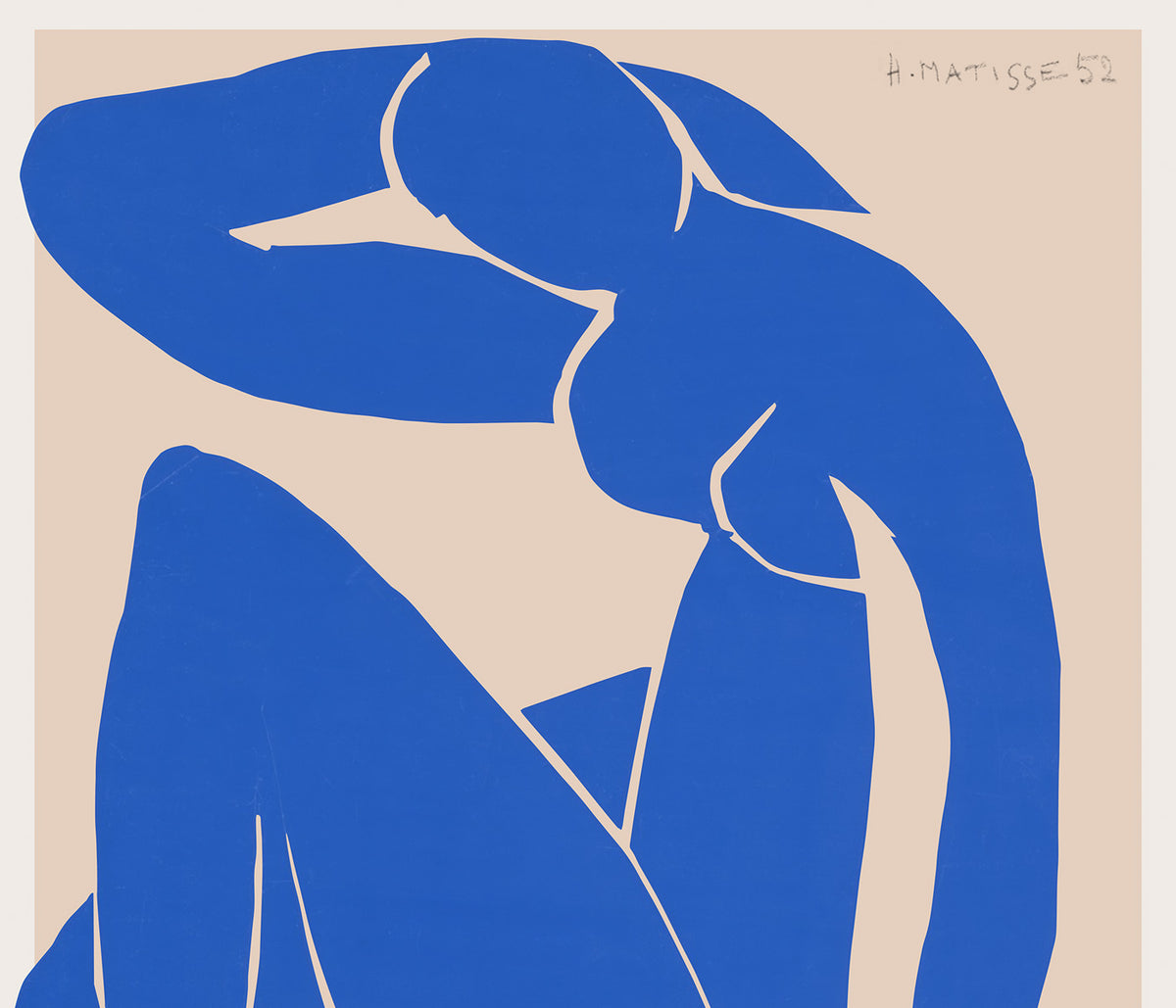
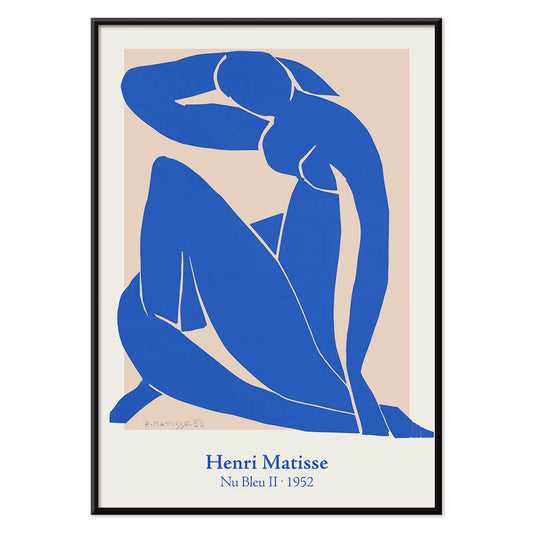
Nu Bleu II Plakat
Henri Matisse · 1952 · Ikonisk blå nøgenplakat i dristige papirklipformer mod varm beige bund
Plakat fra 69 kr · Indrammet fra 122,67 kr
Normalpris Fra 46,00 krNormalpris -
Maison de la Pensée française Plakat
Henri Matisse · 1950 · udstillingsplakat med maskelignende ansigt og blå typografi
Plakat fra 69 kr · Indrammet fra 122,67 kr
Normalpris Fra 46,00 krNormalpris -
Eftermiddagen Plakat
Henri Matisse · 1941 · minimalistisk kunsttryk med en hvilende figur på mørk bund
Plakat fra 69 kr · Indrammet fra 122,67 kr
Normalpris Fra 46,00 krNormalpris -
Siddende nøgen med krydsede ben I Plakat
Henri Matisse · 1941 · minimalistisk kunsttryk af en siddende nøgenfigur med krydsede ben i sort og hvid
Plakat fra 69 kr · Indrammet fra 122,67 kr
Normalpris Fra 46,00 krNormalpris -
Vierge et enfant Plakat
Henri Matisse · 1950 · minimalistisk kunsttryk af mor og barn i enkel sort streg
Plakat fra 69 kr · Indrammet fra 122,67 kr
Normalpris Fra 46,00 krNormalpris -
Veiled head Plakat
Henri Matisse · 1950 · raffineret kunsttryk med yndefulde sorte linjer og stille modernistisk ro
Plakat fra 69 kr · Indrammet fra 122,67 kr
Normalpris Fra 46,00 krNormalpris -
The Romanian Blouse Plakat
Henri Matisse · 1940 · ekspressivt portrættryk med en broderet hvid bluse mod en lysende rød baggrund
Plakat fra 69 kr · Indrammet fra 122,67 kr
Normalpris Fra 46,00 krNormalpris -
Cirkusset Plakat
Henri Matisse · 1947 · cirkusplakat med spredte bogstaver og en sort akrobat mod en klar blå baggrund
Plakat fra 69 kr · Indrammet fra 122,67 kr
Normalpris Fra 46,00 krNormalpris -
Hvid alge på rød og grøn baggrund Plakat
Henri Matisse · 1947 · abstrakt kunsttryk med lyse, forgrenede tangformer mod stærke røde og grønne flader
Plakat fra 69 kr · Indrammet fra 122,67 kr
Normalpris Fra 46,00 krNormalpris -
Losange Plakat
Henri Matisse · 1947 · kunsttryk af Losange med fem røde cirkler omkring en sort rombe på råhvid bund
Plakat fra 69 kr · Indrammet fra 122,67 kr
Normalpris Fra 46,00 krNormalpris -
Nice Travail et Joie Plakat
Henri Matisse · 1947 · farverig plakat fra Nice med grønne palmeblade over frugt og blå, håndskrevne bogstaver
Plakat fra 69 kr · Indrammet fra 122,67 kr
Normalpris Fra 46,00 krNormalpris













Paper cut, colour held in air
Henri Matisse’s late cut-outs read like light pinned to a wall: flat colour, decisive edges, and a relaxed sensuality that still feels modern. This selection gathers vintage poster and print interpretations of the papiers découpés alongside exhibition graphics, where blue, coral, lemon, and ink-black act like musical notes in a spare composition. In The Dream, Aix en Provence exhibition poster (1960), a reclining figure settles into warm planes, suggesting a Mediterranean afternoon assembled by hand. As wall art, these posters add decoration through rhythm and breathing space, rather than ornament.
Why the cut-outs matter
When illness restricted painting, Matisse turned to scissors, treating coloured paper as a way to draw directly with hue. The process was deliberate: sheets were painted with gouache, then cut, pinned, and repositioned across the studio wall until balance felt exact. That method makes negative space active, not empty, and it explains why the images hold up at poster scale. In Nu Bleu III, the figure folds into itself using only a few shapes, while the white ground carries as much energy as the blue body. Matisse Dancing Figures, Exhibition Poster compresses motion into pattern, showing how reduction can still imply pulse, music, and social joy.
Placing Matisse in the home
These prints work best where colour can behave like architecture. A large poster above a sofa can replace an accent wall; keep surrounding elements calm with linen upholstery, oak, travertine, or brushed steel so the print carries the tempo. Hang the image slightly lower than expected so the figure meets the room at eye level rather than hovering near the ceiling line. In kitchens and dining corners, the cut-outs feel fresh beside ceramics and greenery, and they sit comfortably with graphic styles from Abstract or the restraint of Minimalist. To echo the oceanic palette, mix in nearby notes from Blue, or sharpen contrast with Black & White photography.
Pairing, framing, and contrast
Framing choices change the reading of the work. A thin black frame makes colour feel crisp and architectural, while pale oak tilts the mood toward vintage domestic warmth. A generous mat gives cut edges room and lets smaller formats feel intentional. Nu Bleu II benefits from negative space, so keep nearby objects sparse and treat a single lamp or side table as a quiet counterpoint. For a more inward atmosphere, place it near Le rêve (1935), where line becomes more lyrical and the mood turns contemplative. If you want the typography of exhibition design to lead, combine Matisse with vintage graphics from Advertising or broader anchors from Famous Artists.
A modern vintage language
Matisse remains unusually useful in contemporary decoration because colour is treated as structure rather than surface. Even in print form, the hand-cut irregularity keeps the image human and prevents a room from feeling overly polished. Use one poster as a bright anchor, or build a measured sequence so the gallery wall becomes a lesson in how simplicity can still carry warmth, humour, and heat.